
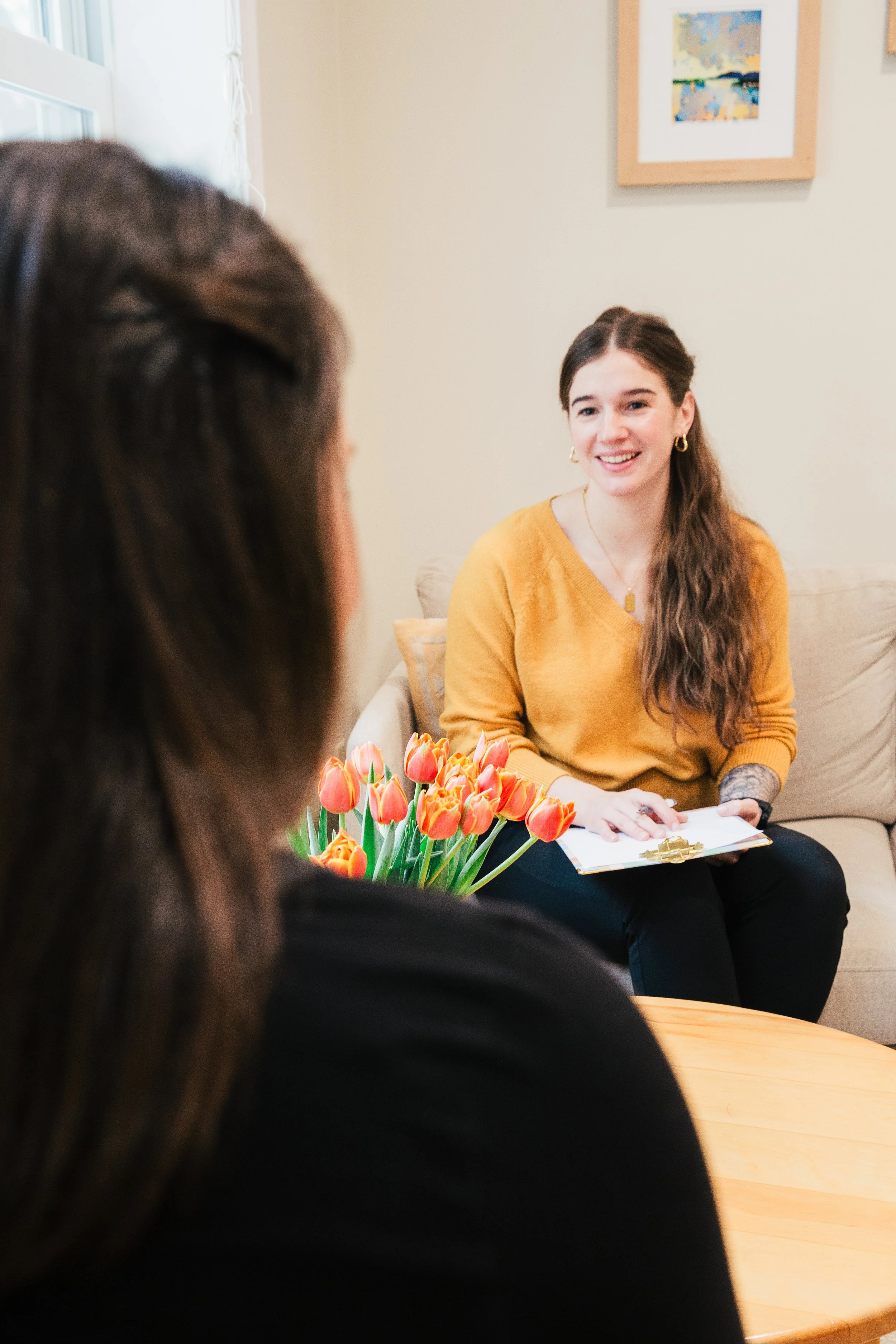
Why this work?
Over and over, I watched the same thing happen. Someone in the middle of something genuinely hard such a being pregnant, postpartum, navigating a diagnosis, grieving a pregnancy, carrying pain no one else could see being told they'd be fine, that this was normal, and that so many people had been through exactly this and come out okay.
What they actually needed was someone to take it seriously. To stop asking them to be move on and start helping.
Being common doesn't make something easy, and dismissal doesn't make it better. People who are brushed off stop reaching out, they start carrying it alone, and the chance for real, early support slips away.
I have sought specialized training in my career as a psychologist because I wanted to ensure those experiences were seen and heard. If any of this sounds familiar, if you've been told you're fine when you know you're not, that's exactly why this practice exists.
My background
I'm a licensed clinical psychologist, and I didn't pick my focus areas at random. Perinatal mental health, reproductive health, and OCD kept showing up as the places where people were struggling the most.
I use treatment approaches that have real research behind them, meaning they've actually been shown to work by research. For OCD, that's Exposure and Response Prevention. For perinatal and reproductive health concerns, it's Cognitive Behavioral Therapy and Acceptance and Commitment Therapy. None of that matters if it doesn't translate into something real for you so the goal is always the same: practical, compassionate care that actually moves things forward.
An advocate, as well as a clinician
Reproductive mental health affects a lot of people and specialized care for it is still hard to find. PMDD goes unrecognized. Perinatal OCD gets missed. Fertility grief often goes unsupported.
My job is to take it seriously. To believe you, assess you properly, and offer treatment that actually addresses what's happening.
Maybe you've been told it's just hormones, or that you should feel grateful, but none of that changes what you're carrying. It doesn't mean you have to carry it without support
About Me:
I live and practice in Vermont, where I try to spend as much time outside as possible. Hiking, gravel riding, and camping are my favorite out-of-office activities. I also serve as Board Secretary for the Vermont chapter of Postpartum Support International, which reflects the same commitment that brought me to this specialty: the belief that people navigating the perinatal period deserve better support than the system currently provides.
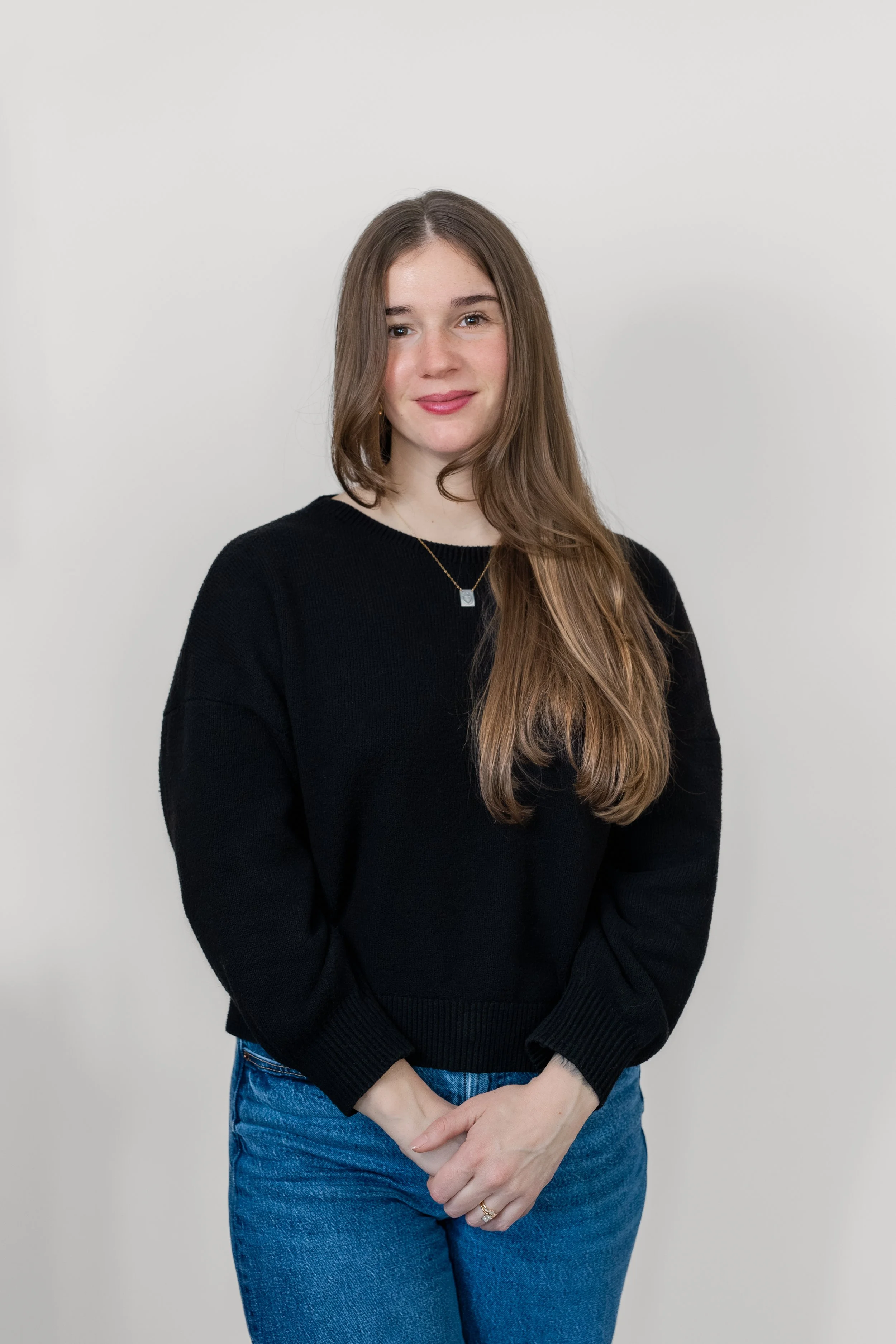
Let’s work together
I work with a small caseload deliberately. I want to know your story, track your progress, and be genuinely present for the work we are doing together.
If something here resonates, if you recognize yourself in any of what I have described, I would be glad to connect. The first step is a consultation, and there is no obligation beyond that conversation.